
How Anxiety & Depression Impacts Your Physical Health?
In today’s demanding world, the conversation around mental health is gaining traction, and rightfully so. While anxiety and depression are commonly discussed in terms of their impact on mental well-being, their effects extend far beyond the realm of the mind. It’s essential to recognize that these conditions can significantly influence physical health, often in ways that may surprise many. Understanding the intricate connection between mental and physical health is crucial for fostering holistic well-being.
Immune System Dysfunction
When anxiety and depression become chronic, they can weaken the immune system, leaving individuals more vulnerable to infections and illnesses. Studies indicate that extended periods of stress may dampen immune function, making it more challenging for the body to combat pathogens. This can result in frequent illnesses, prolonged recovery times, and increased susceptibility to conditions ranging from the common cold to more serious diseases.
Cardiovascular Health Concerns
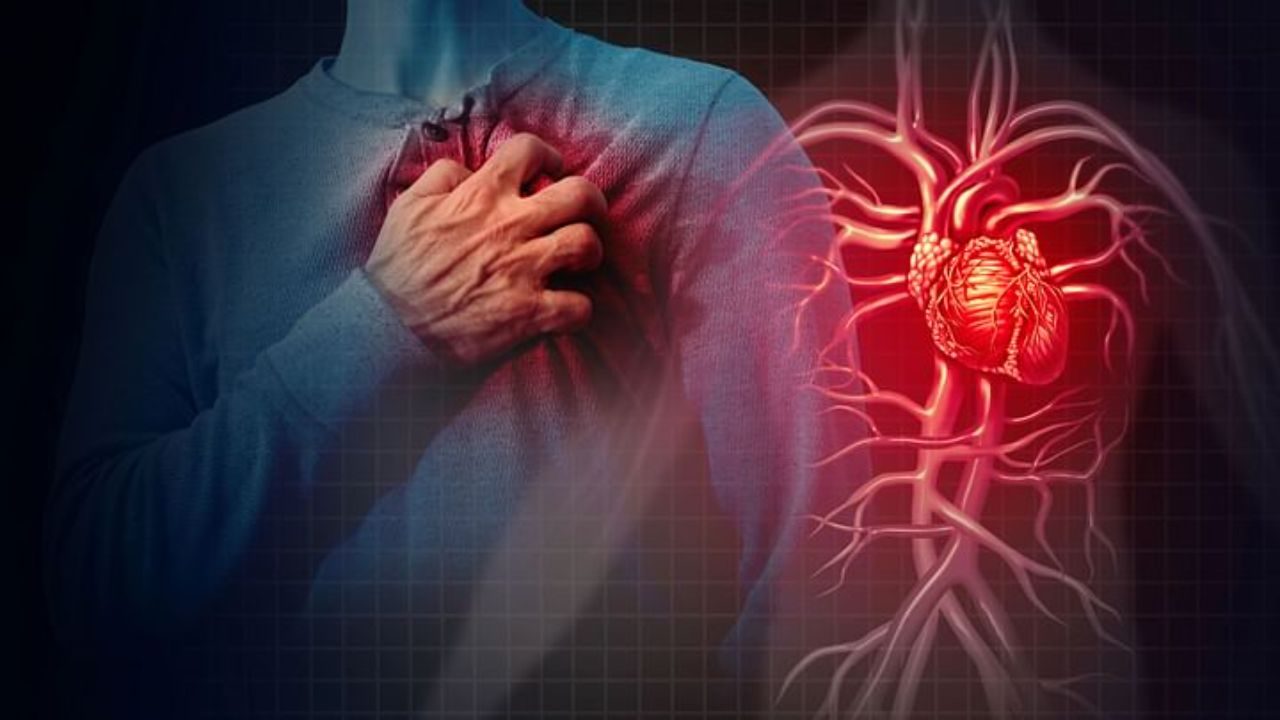
The link between mental health and heart health is well-documented. Anxiety and depression can contribute to the development of cardiovascular issues such as hypertension, heart disease, and even heart attacks. Chronic stress can elevate blood pressure and heart rate, putting added strain on the cardiovascular system over time. Additionally, unhealthy coping mechanisms such as overeating, smoking, or excessive drinking, often employed to manage anxiety or depression, can further exacerbate these risks. If you have all of these habits and feel depressed, Luna Joy can be the option! Try their services and see for yourself.
Digestive System Disturbances
The gut-brain connection is a fascinating area of study that underscores the profound impact of mental health on digestive function. Anxiety and depression can disrupt the delicate balance of the gut microbiome, leading to gastrointestinal problems such as irritable bowel syndrome (IBS), acid reflux, and stomach ulcers. Stress hormones released during periods of anxiety or depression can also trigger inflammation in the digestive tract, exacerbating symptoms and compromising overall digestive health.
Sleep Disruptions
Quality sleep is essential for both mental and physical well-being, but anxiety and depression often wreak havoc on sleep patterns. Difficulty falling asleep, staying asleep, or experiencing restful sleep are common complaints among those struggling with these conditions. Sleep disturbances not only exacerbate feelings of fatigue and lethargy but also contribute to a host of other health problems, including impaired cognitive function, weakened immune function, and increased risk of chronic diseases.
Chronic Pain Conditions

Anxiety and depression are closely linked to the experience of chronic pain. Not only can they exacerbate existing pain conditions such as fibromyalgia or arthritis, but they can also manifest as physical symptoms themselves. Chronic stress and negative emotions can heighten pain perception, making discomfort feel more intense and persistent. Conversely, living with chronic pain can contribute to feelings of hopelessness and despair.
The interplay between mental and physical health is undeniable, and recognizing the impact of anxiety and depression on physical well-being is crucial for comprehensive health management. By addressing both the mental and physical aspects of these conditions, individuals can take proactive steps to mitigate their effects and improve overall quality of life. There are many strategies available to promote holistic well-being in the face of anxiety and depression. Ultimately, by acknowledging and addressing the holistic nature of health, we can work towards achieving a more balanced and resilient sense of well-being.