
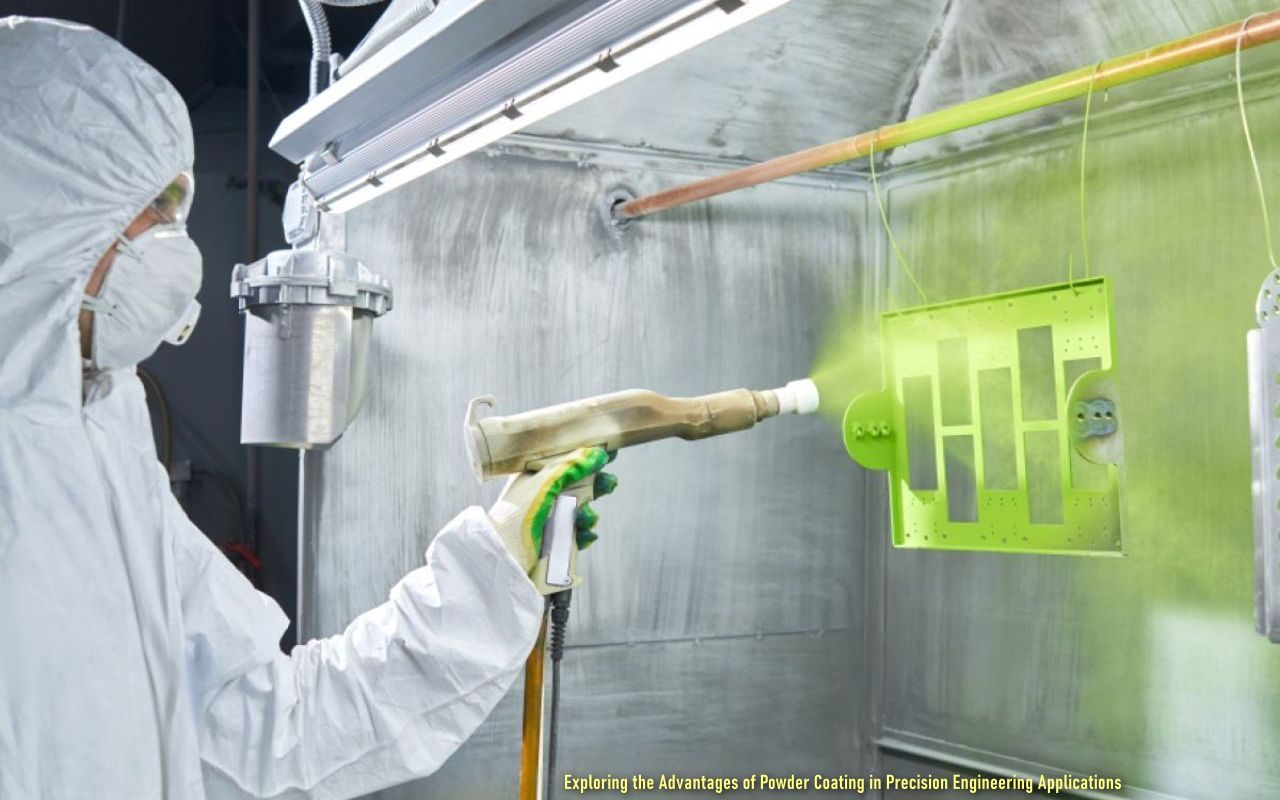
Exploring the Advantages of Powder Coating in Precision Engineering Applications
Precision engineering leaves little room for weak finishes. Parts often need tight tolerances, stable surface performance, and a clean appearance that holds up through shipping, assembly, and long service cycles. In that environment, finishing choices affect more than cosmetics. They influence corrosion resistance, wear life, inspection results, maintenance demands, and the total cost of production. Teams working in environments associated with Beyonics Precision Engineering often treat surface finishing as a core manufacturing decision because it shapes both product quality and process reliability.
That is one reason discussions around powder coating benefits continue to grow in advanced manufacturing. The finish can deliver strong protection, consistent coverage, and a professional appearance across a wide range of metal components. When engineers, buyers, and production managers choose the right powder, pretreatment, and cure profile, they can improve durability without creating unnecessary complexity on the factory floor.
Why Powder Coating Fits Precision Engineering So Well
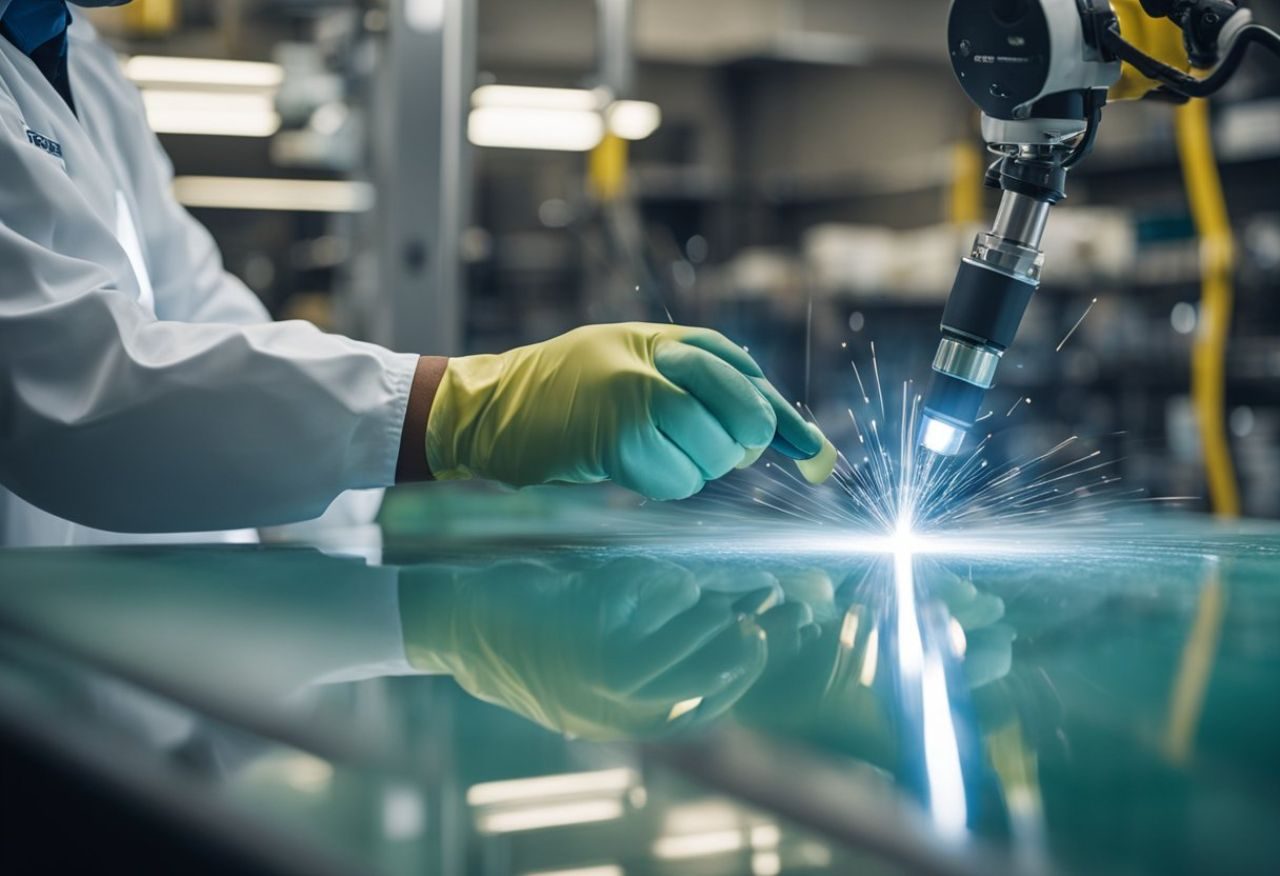
Precision engineering often deals with components that must perform in demanding conditions while still meeting strict visual and dimensional standards. These parts may sit inside medical devices, industrial enclosures, electrical housings, automation systems, or transportation assemblies. In many of those settings, the finish has to do several jobs at once. It needs to protect the substrate, resist scratches and chemicals, support product cleanliness, and maintain a uniform look from one batch to the next. Powder coating works well in these situations because it offers a controlled, repeatable finishing method that can meet both functional and aesthetic goals.
Another advantage comes from the breadth of performance options available. Different powder chemistries can support different priorities, from outdoor weather resistance to indoor chemical durability or impact performance. That gives engineering teams more room to match the coating to the service environment instead of forcing one finish across every product line. For precision manufacturers, that flexibility matters. A housing for an electronics assembly may need smooth visual consistency and dielectric support, while a bracket for industrial equipment may need stronger chip resistance and better edge protection.
The process also supports efficient high-volume production once it is dialed in correctly. Powder materials can be applied with excellent transfer efficiency, and overspray can often be recovered in the right setup. That combination helps manufacturers keep finishing costs more stable over time. In sectors where quality and cost control must move together, that balance makes powder coating a practical option rather than a premium add-on.
Surface Protection That Supports Long-Term Performance
One of the strongest reasons engineers choose powder coating is protection. Precision metal parts can lose value quickly when corrosion starts, edges chip, or surfaces degrade under repeated handling. A strong powder-coated finish adds a protective layer that helps defend the underlying metal from moisture, chemicals, abrasion, and routine wear. That added durability is especially useful for components that move through complex supply chains or spend years in service with limited maintenance.
The protection starts long before the part reaches the end user. During internal handling, finished parts may move through packing stations, warehouses, transport racks, and final assembly lines. A weak surface can pick up scratches or cosmetic defects at almost any stage. Powder coating reduces that risk when the pretreatment and curing steps are handled properly. The result is fewer rejected parts, less rework, and stronger confidence in the finished product as it moves from production to installation.
Long-term performance also shapes brand perception. In precision industries, customers often judge quality by small details. A finish that stays clean, resists fading, and holds its integrity over time signals good engineering discipline. That matters for OEMs and contract manufacturers alike. Surface failure can raise questions about the entire product, even if the internal engineering is sound. A reliable coating system helps protect both the part and the reputation attached to it.
Better Aesthetic Control Without Sacrificing Function
Appearance matters in precision engineering more than many people assume. Even in highly technical markets, customers expect products to look refined and consistent. A poor finish can make a well-designed component look cheap, uneven, or rushed. Powder coating helps solve that problem by producing a smooth, uniform appearance across many part geometries. It can also support a broad range of colors, gloss levels, and textures, which gives product teams more control over branding and end-use presentation.
That design flexibility becomes useful when manufacturers need to separate product lines, identify safety zones, or match customer specifications. A textured black finish may fit industrial equipment housings, while a smooth matte surface may work better for clean, modern electronics enclosures. Fine control over visual finish can also support inspection and assembly. Certain textures hide minor handling marks better. Certain gloss levels make defects easier to spot during quality checks. These details may seem small, but they affect downstream efficiency.
The key point is that appearance does not have to compete with function. In a strong powder coating process, the decorative and protective roles work together. A part can look sharp while still delivering the mechanical and environmental resistance the application requires. For engineering teams, that makes specification work easier. They do not have to choose between a durable finish and a professional one if the coating system is selected with the application in mind.
Process Stability Depends on Pretreatment and Cure Control
Powder coating performs well in precision engineering when the full process is controlled, not only the spray step. Surface preparation drives much of the final result. Oils, oxides, dust, and residues can weaken adhesion and lead to premature coating failure. That is why high-performing operations place serious emphasis on cleaning and pretreatment before powder ever reaches the part. Good pretreatment promotes adhesion, improves corrosion resistance, and creates a more stable foundation for the final finish.
Cure control matters just as much. Powder coating needs the right oven temperature and dwell time to crosslink properly and develop its intended properties. If the part is under-cured, the finish may look acceptable at first but perform poorly in the field. If it is over-cured, color shifts or brittleness can create new problems. Precision engineering operations usually cannot afford that type of variation, especially on customer-critical components. A stable finishing line uses validated cure windows, reliable part tracking, and routine testing to keep performance consistent.
This is also where engineering and manufacturing teams need close alignment. Designers may call for tight tolerances, sharp edges, thin walls, or mixed-material assemblies that affect coating behavior and cure response. Production teams need to flag those issues early. Racking strategy, part orientation, film thickness targets, and substrate selection all influence the outcome. When those details are addressed during process planning, powder coating becomes a highly dependable finishing method rather than a late-stage risk.
A Smart Choice for Complex Production Environments
Precision engineering rarely happens in a simple production setting. Many manufacturers run multiple product families, short lead times, and strict documentation standards at the same time. They may serve medical, automotive, electronics, industrial, and consumer markets from the same facility. Powder coating fits that kind of environment well because it can support repeatable production across varied components while still allowing for finish customization where needed.
The process also integrates well with broader quality systems. Film thickness checks, adhesion tests, cure validation, and visual inspection can all be built into a structured control plan. That gives manufacturers a clearer way to document finish quality and trace performance issues if they appear later. In industries where process discipline matters as much as final output, that level of control is valuable. It supports audits, customer confidence, and better root-cause analysis.
Operational efficiency adds another layer of value. Powder coating lines can be set up for high throughput with strong consistency, especially when part families are grouped intelligently and line parameters are standardized. Once the process is stable, teams can reduce downtime, improve first-pass yield, and limit finishing bottlenecks. For a precision manufacturer trying to scale output without losing quality, those gains can shape the economics of the entire program.
Design Considerations That Help Powder Coating Succeed
Engineers get better results from powder coating when they account for finishing needs early in the design stage. Sharp internal corners, inaccessible recesses, and overly tight edge conditions can make coating harder to apply uniformly. The issue is not that powder coating cannot handle complex parts. It often can. The issue is that coating performance improves when the part is designed with realistic finishing access and film-build behavior in mind. A small change to geometry can make a big difference in consistency.
Tolerance planning deserves close attention as well. Powder coating adds thickness, and that added build can affect fit on mating surfaces, threads, mounting points, and assemblies with little room for variation. Precision engineering teams need to identify masked areas, define acceptable coating ranges, and decide where finish thickness matters most. Those decisions should happen before production ramps up. Fixing a tolerance problem after tooling, quoting, and validation takes far more time and money.
Material selection also plays a role. Different metals respond differently during pretreatment and curing, and mixed substrates may need extra planning. Aluminum, steel, and fabricated assemblies can all be powder coated successfully, but the process window must fit the material set. When design, quality, and finishing teams work together early, they reduce surprises and create a smoother path into production.
Where Powder Coating Delivers the Most Value
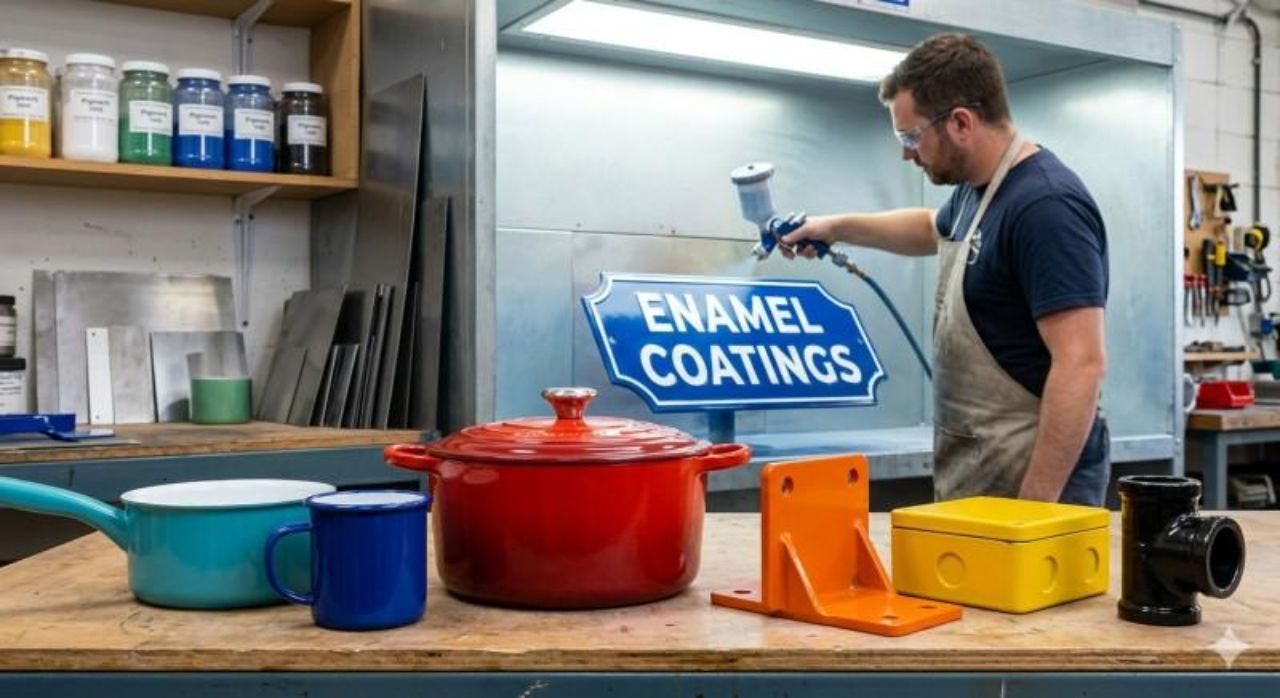
Powder coating offers the strongest value in precision engineering applications that need durable surfaces, stable visual quality, and scalable production. That includes enclosures, brackets, panels, machine covers, electronic housings, architectural hardware, transportation parts, and many custom fabricated components. In these applications, the finish must hold up in real operating conditions while still supporting a polished final product. Powder coating meets that need well when the full process is engineered with care.
Its value also grows when companies look beyond the coating booth and evaluate the full life of the part. A better finish can reduce warranty issues, cut replacement rates, improve shipping durability, and limit cosmetic rejects. Those gains may not always appear in the initial coating cost alone, but they become very clear over the course of a program. For procurement teams and production leaders, that broader view often changes the conversation from unit price to long-term manufacturing value.
In precision engineering, the best processes create consistency without adding unnecessary friction. Powder coating earns its place because it can protect parts, support design goals, and scale across serious manufacturing environments. When applied with the right pretreatment, process control, and design coordination, it becomes a finish that strengthens both product performance and production confidence.