
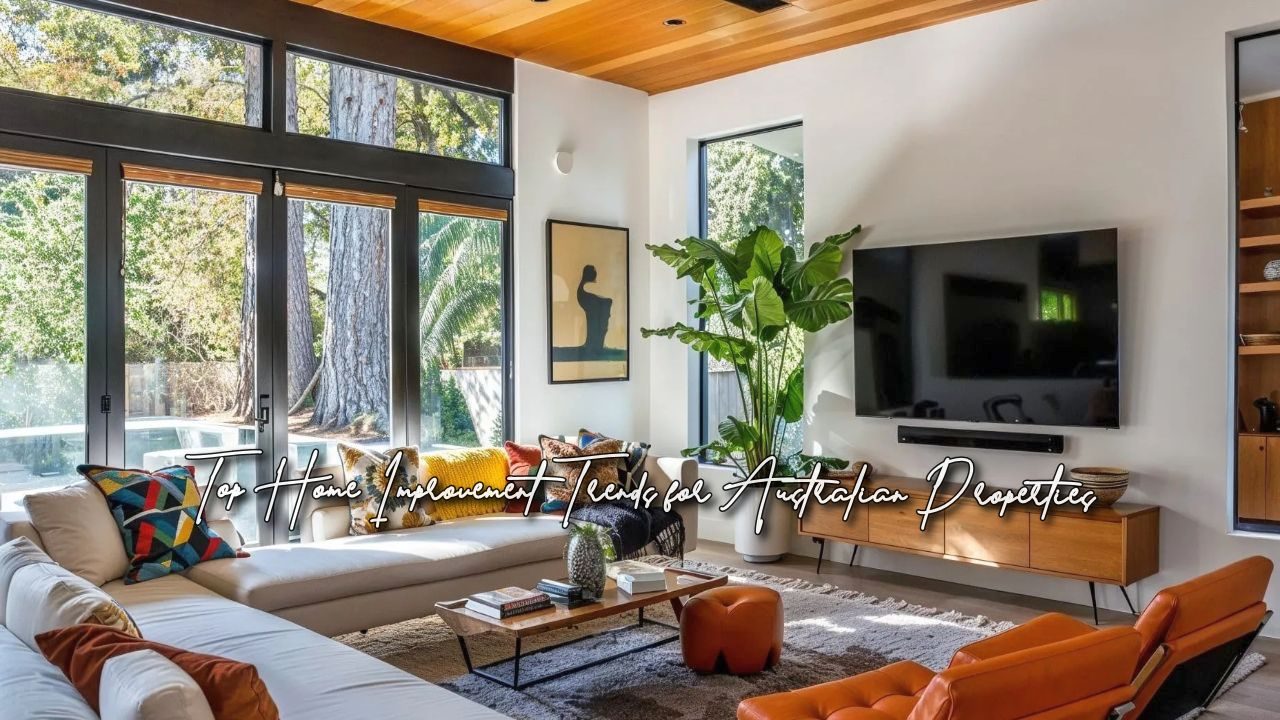
Top Home Improvement Trends for Australian Properties
Australia’s housing market has changed significantly over the past five years. A mix of lifestyle shifts, climate considerations, and buyer expectations has transformed how homeowners approach upgrades. Modern buyers want more than visual appeal. They look for homes that offer sustainability, adaptability, and comfort.
In this evolving climate, it’s no surprise that home improvement trends are leaning toward smarter layouts, greener features, and timeless design. As reported on australianpropertyexperts.com.au, property owners are investing in features that not only elevate the living experience but also drive long-term value. Below are six major trends shaping renovations and new builds across the country.
Eco-Conscious Living Leads the Way

Sustainability is no longer optional. It has become a core feature in Australian home upgrades. From Melbourne’s leafy suburbs to Perth’s sun-drenched neighborhoods, more property owners are turning to environmentally friendly upgrades to lower utility bills and reduce their environmental footprint.
Solar panels are now a common sight on rooftops. But the trend extends far beyond energy. Water-saving systems, double-glazed windows, passive cooling strategies, and thermal insulation are seeing strong adoption. Even landscaping is shifting toward native plants that require less irrigation. For developers and homeowners alike, green homes are viewed as both socially responsible and economically wise.
Buyers also value sustainability when house-hunting. Green ratings and energy efficiency labels can influence decisions. With tightening energy regulations and growing awareness, these features are not just fashionable, they’re fast becoming essential.
Seamless Indoor-Outdoor Integration
Australia’s mild climate has always encouraged outdoor living, but recent designs are taking it to another level. The focus now is on seamless transitions between inside and outside spaces. Instead of treating backyards or patios as separate zones, renovations are blending them with the home’s core layout.
Bi-fold doors, retractable screens, and extended eaves help dissolve boundaries between living rooms and alfresco areas. Timber decking, outdoor kitchens, and sheltered lounges are also gaining traction. These upgrades appeal to homeowners looking to entertain or unwind outdoors, without compromising on style or convenience.
This trend isn’t limited to luxury builds. Even modest suburban homes are now being reimagined with better access to light, fresh air, and outdoor enjoyment. It reflects a broader move toward lifestyle-centric design.
Home Offices That Actually Work
Remote work is no longer a temporary solution. It has become an embedded part of professional life. As a result, Australians are rethinking the traditional study nook or spare room. They want home offices that are functional, quiet, and designed to support productivity.
Instead of squeezing desks into corners, many homes now feature purpose-built office pods or fully integrated study zones. Acoustic insulation, built-in storage, and good natural lighting are key priorities. Tech-friendly additions like soundproofing, Wi-Fi extenders, and ergonomic setups are also gaining attention.
In dual-income households, the demand often extends to two separate workspaces. Flexibility is crucial. Rooms that can double as guest areas or creative studios offer extra appeal. For property value, a well-designed home office is no longer a bonus, it’s an expectation.
Kitchens That Go Beyond Cooking
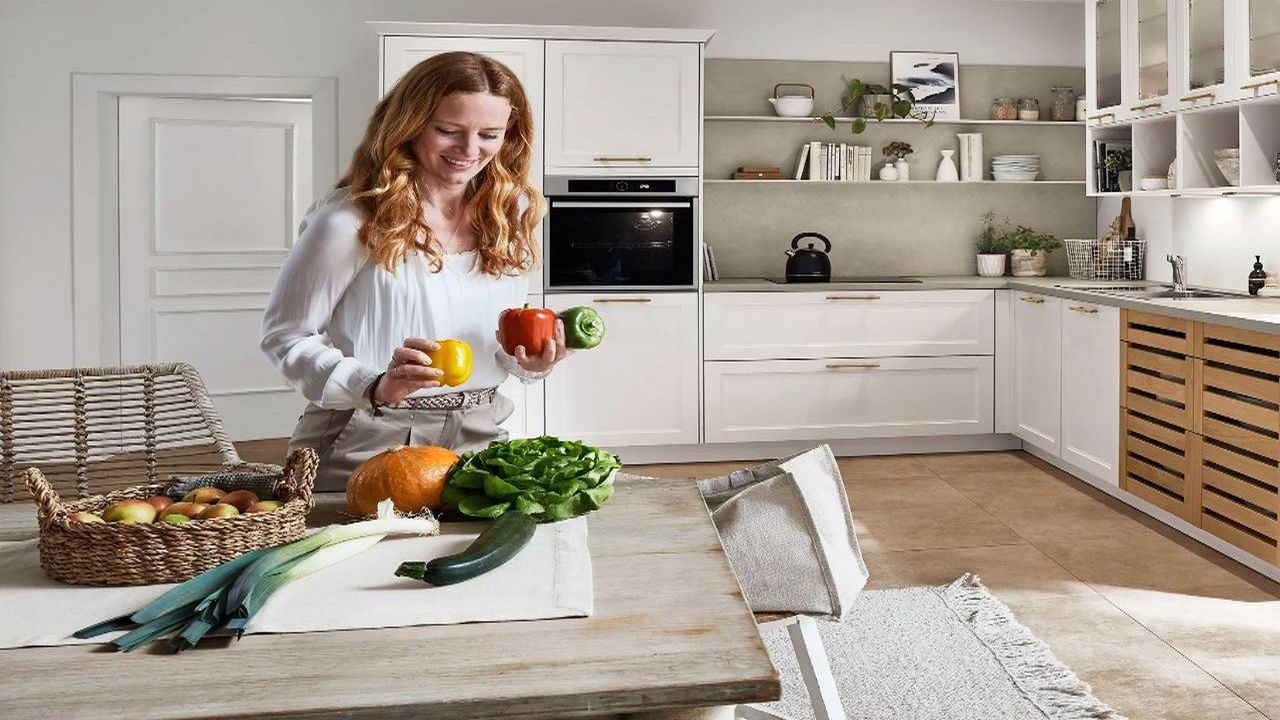
The kitchen has always been a central hub, but today’s designs elevate it to multi-functional status. It’s a place to prepare meals, host guests, connect with family, and sometimes even work. As the role of the kitchen expands, so does the investment in its design and materials.
Stone benchtops, integrated appliances, and clever storage solutions top the list of upgrades. Open-plan layouts are still popular, though they’re now paired with hidden pantries or sculleries to keep clutter out of sight. Many homeowners are also opting for statement lighting, bold fixtures, and mixed textures to add character.
Smart technology is playing a growing role. Voice-activated assistants, motion-sensor taps, and energy-efficient appliances are not only convenient, they add value. Australians want kitchens that are stylish but hard-working. The focus is on layout flow, durability, and personal expression.
The Rise of Multi-Generational Living
As housing affordability tightens and family dynamics shift, more Australian homes are being adapted for multi-generational use. That means renovations designed to accommodate aging parents, adult children, or extended family without sacrificing privacy or comfort.
Granny flats, self-contained studios, and dual-living configurations are becoming more common, especially in cities with high property prices. In some cases, internal layouts are reworked to include second kitchens or separate entries.
Accessibility is also part of this trend. Wider hallways, step-free showers, and ground-floor bedrooms are often included to make spaces more inclusive. These changes not only support flexible living but can also increase rental potential or future resale value.
Smart Upgrades for Long-Term Payoff
Technology is embedded in nearly every part of the modern home. But smart upgrades go beyond novelty, they’re now designed for long-term efficiency, security, and convenience. Australians are investing in home automation that adds control without complexity.
Security systems with app-based access, automated blinds, climate control, and lighting systems that adjust based on time of day are all growing in popularity. Voice-controlled assistants can now manage entire routines. The key is integration. The best smart features are those that work quietly in the background, making life smoother without adding effort.
Future-proofing is another motivation. As new devices and systems emerge, homeowners want flexible infrastructure that can evolve with technology. Structured wiring, modular panels, and wireless hubs are now standard in many new builds and renovations.
Australia’s home improvement landscape is evolving quickly, shaped by changing lifestyles, economic pressures, and climate goals. The most sought-after upgrades combine function with beauty and deliver a return not just in dollars, but in daily comfort and usability.
From eco-smart features to multi-use layouts and connected living, today’s renovations are designed to serve long-term needs. These trends aren’t just shaping homes, they’re redefining what Australians expect from the spaces they live in.