

Singapore’s Rise as a Skin Health Destination for Medical Travelers
Singapore has earned a reputation as one of Asia’s most reliable destinations for specialized medical care, and dermatology is no exception. The city ranks among the highest in Southeast Asia for regulatory transparency, with dermatology clinics operating under licensing requirements that give international patients a clearer sense of what they’re walking into. Travelers dealing with stubborn skin conditions increasingly book consultations at reputable facilities like Dr. Evelyn Tay’s clinic in Singapore, where evidence-based treatments replace the trial-and-error approach that characterizes less regulated markets elsewhere in the region.
What many visitors don’t anticipate is how interconnected various aspects of their health turn out to be. Dermatologists in Singapore often ask about dental history during initial consultations, which surprises patients expecting a narrower conversation. The well-documented link between oral health and skin conditions means that gum disease, chronic oral inflammation, and bacterial imbalances in the mouth can all influence or worsen eczema, psoriasis, and persistent acne. It’s a connection that clinicians here treat as standard background rather than a specialist interest.
Why Singapore Attracts Dermatology Patients From Abroad
Singapore’s medical sector has been deliberately built up over decades. The government began investing in specialist training and hospital infrastructure in the 1980s, and the effects are tangible in the caliber of practitioners who trained at institutions like the National Skin Centre, the country’s sole dermatology training institution, which has run clinical trials on biologics for conditions including psoriasis and eczema. Unlike some regional alternatives where credentials are inconsistently verified, Singapore maintains strict licensing through the Singapore Medical Council. Specialist registration must be renewed regularly, and practitioners who let it lapse cannot legally practice as specialists.
The city’s multilingual environment matters more than many travelers expect. Clinics in central Singapore operate in English, Mandarin, Malay, and sometimes Tamil, which allows patients to describe symptoms accurately and discuss treatment plans without relying on imprecise translations. In dermatology, where the difference between contact dermatitis and a medication-related reaction changes the entire treatment plan, language precision is a real clinical advantage. Singapore ranked second out of 46 destinations in a major medical tourism index for 2020-2021, with regulatory transparency cited alongside clinical quality as a key reason for the ranking.
What to Expect From a Singapore Skin Consultation
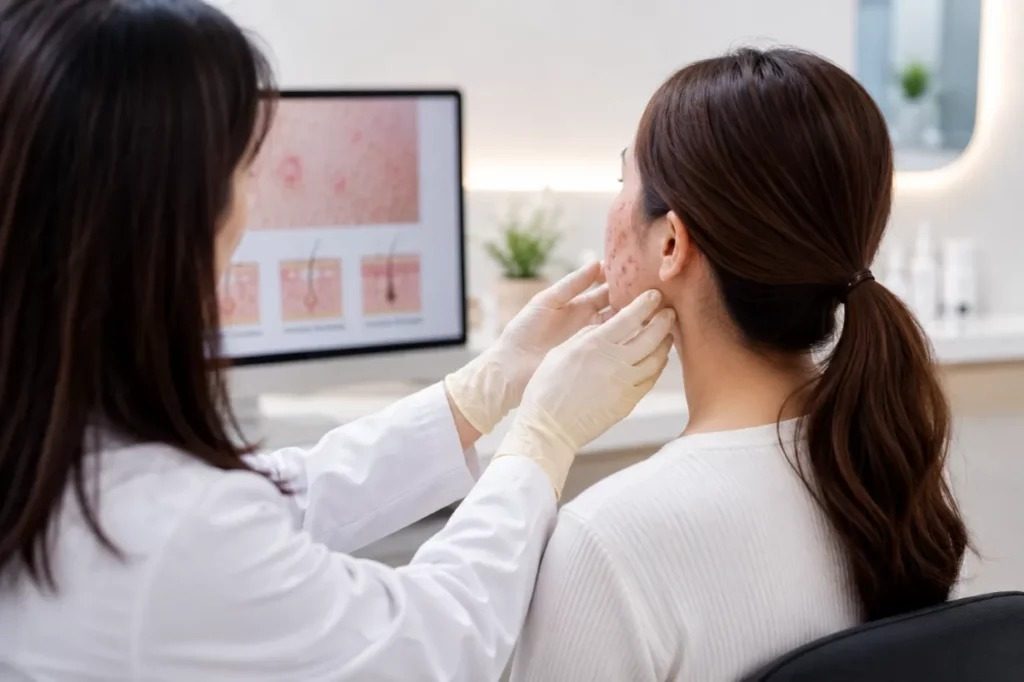
Consultations at established dermatology clinics in Singapore are more thorough than what many travelers have experienced at home. A first appointment typically runs between 30 and 45 minutes, with a structured intake covering current symptoms, diet, stress levels, medications, and, at clinics that take a systemic view of health, dental history. This is a deliberately slower model than the walk-in dermatology common in some markets, and it reflects the view that skin conditions rarely develop in isolation from the rest of the body.
Patch testing and allergy panels are often performed during the initial visit rather than scheduled as a separate appointment, which saves time for travelers on short itineraries. Many clinics also dispense prescription-strength topicals on-site rather than sending patients to an external pharmacy. For someone who is only in the country for a week, that logistical difference is significant. Pricing is generally stated upfront in itemized estimates, partly cultural and partly required by Singapore’s healthcare regulations, so international patients can make informed decisions before treatment begins rather than receiving a bill afterward.
Common Conditions Treated at Singapore Skin Clinics
The conditions that bring travelers to Singapore’s dermatologists span a broad range, though a few appear repeatedly. Eczema is among the most common, partly because Singapore’s climate (humid, warm, and occasionally heavy with fine-particle pollution in urban zones) aggravates it even in people who had it well managed at home. Arriving from a dry northern climate and spending two weeks in 85% humidity can trigger a flare that doesn’t respond to the emollients a patient brought with them.
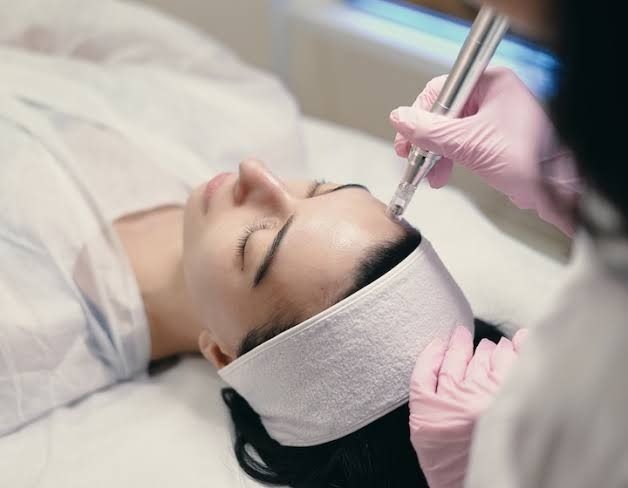
Hyperpigmentation from sun exposure is another frequent presenting complaint. Singapore sits just 1.3 degrees north of the equator, and UV intensity there is consistently higher than what most European or North American visitors are used to, even on overcast days. Clinics offer chemical peels, laser treatments, and prescription-grade brightening agents in combinations that aren’t accessible over the counter in many Western markets. Acne cysts, rosacea management, and chronic urticaria also appear regularly among international patients. Dermatologists here are also seeing more cases where skin manifestations trace back to systemic inflammation, consistent with research from the National Library of Medicine finding that patients with inflammatory skin disease report significantly higher rates of oral discomfort and periodontal problems than the general population.
How Lifestyle and Diet Affect Skin Health in Tropical Climates

Spending time in Singapore changes how skin behaves, sometimes in ways patients didn’t prepare for. The combination of high outdoor humidity and heavy air conditioning indoors creates a constant hydration and dehydration cycle that destabilizes the skin barrier faster than most people notice. A moisturizer that works well in London or Chicago can become insufficient within the first few days of an equatorial stay. Most Singapore dermatologists recommend switching to a lighter, faster-absorbing formula and increasing application frequency rather than reaching for heavier products.
Food is worth discussing before a dermatology appointment, and the local diet is worth understanding. Singapore’s food culture, rich in refined carbohydrates, fermented sauces, and deeply flavored street dishes, is not inherently problematic, but it’s relevant context for patients whose acne or rosacea responds to dietary shifts. Some patients see measurable improvement within two to three weeks of adjusting intake. Hydration is underestimated by almost everyone who visits. The heat drives fluid loss faster than thirst signals catch up, and dehydration shows on skin before it registers as obvious discomfort elsewhere. Carrying water consistently and checking urine color are basic habits that Singapore dermatologists will still ask about during intake.
Planning Your Dermatology Visit: Practical Considerations

If dermatology is part of the reason for a Singapore trip, a few logistics are worth thinking through before booking flights. Timing matters because some procedures, including certain laser treatments and chemical peels, require patients to avoid direct sun exposure for several days afterward, which limits outdoor activity. Scheduling those treatments at the end of a trip rather than the opening days makes sense for most people and avoids the frustration of staying indoors in a city built for walking.
Medical records from a home physician are worth bringing, even if just a printed one-page summary of prior diagnoses and current medications. A Singapore dermatologist can establish a baseline faster with that context, and most clinics accept electronic records via secure portals as well. Singapore’s Ministry of Health publishes information about registered specialists, which lets travelers verify credentials before committing to a consultation. The search takes five minutes and clearly distinguishes board-registered dermatologists from general practitioners who offer cosmetic skin procedures. It’s a step that reputable clinics will actively encourage patients to take rather than discourage.