
How Can Beach-Loving Travelers Prevent and Repair Sun Damage and Hyperpigmentation?
For many beach lovers, sunbathing and enjoying long days at the beach are among the highlights of any vacation. However, excessive sun exposure can take a toll on the skin, leading to sun damage and conditions like hyperpigmentation. Sunburns, dark spots, and uneven skin tone are just some of the consequences of too much time in the sun. Thankfully, there are effective strategies for preventing and repairing sun damage, particularly for those who love soaking up the rays. This article will explore practical ways beach-loving travelers can protect their skin from harmful UV rays and manage hyperpigmentation.
Sun Damage and Hyperpigmentation

First off, it’s important to know what happens when skin is exposed to the sun. Sun damage occurs when ultraviolet (UV) radiation from the sun breaks down the skin’s collagen and elastin, leading to premature aging and skin texture changes. The most common forms of hyperpigmentation caused by sun exposure are age spots, sun spots, and melasma.
If you’re asking, what is melasma? It’s a condition where the skin develops symmetrical brown or gray-brown patches, usually on the forehead, cheeks, nose, and upper lip. Melasma is hyperpigmentation, often triggered by sun exposure, hormonal changes, or pregnancy.
The Importance of Sunscreen
The most effective way to prevent sun damage is to apply sunscreen regularly. Look for broad-spectrum sunscreens that offer protection against both UVA and UVB rays, which can cause long-term skin damage and burns. SPF 30 or higher is recommended for most people, but those with sensitive skin or a history of skin conditions may want to choose a higher SPF.
Seek Shade and Limit Sun Exposure
While sunscreen is vital, it’s equally important to minimize direct sun exposure, particularly during peak hours. If you love the sun but want to minimize the risk of damage, bring along a beach umbrella or seek shelter under a tree or a cabana.
Even if you’re lounging in the shade, it’s still important to wear sunscreen, as UV rays can reflect off surfaces like water, sand, and even the side of the beach umbrella, potentially causing damage to exposed skin.
Wear Protective Clothing and Accessories
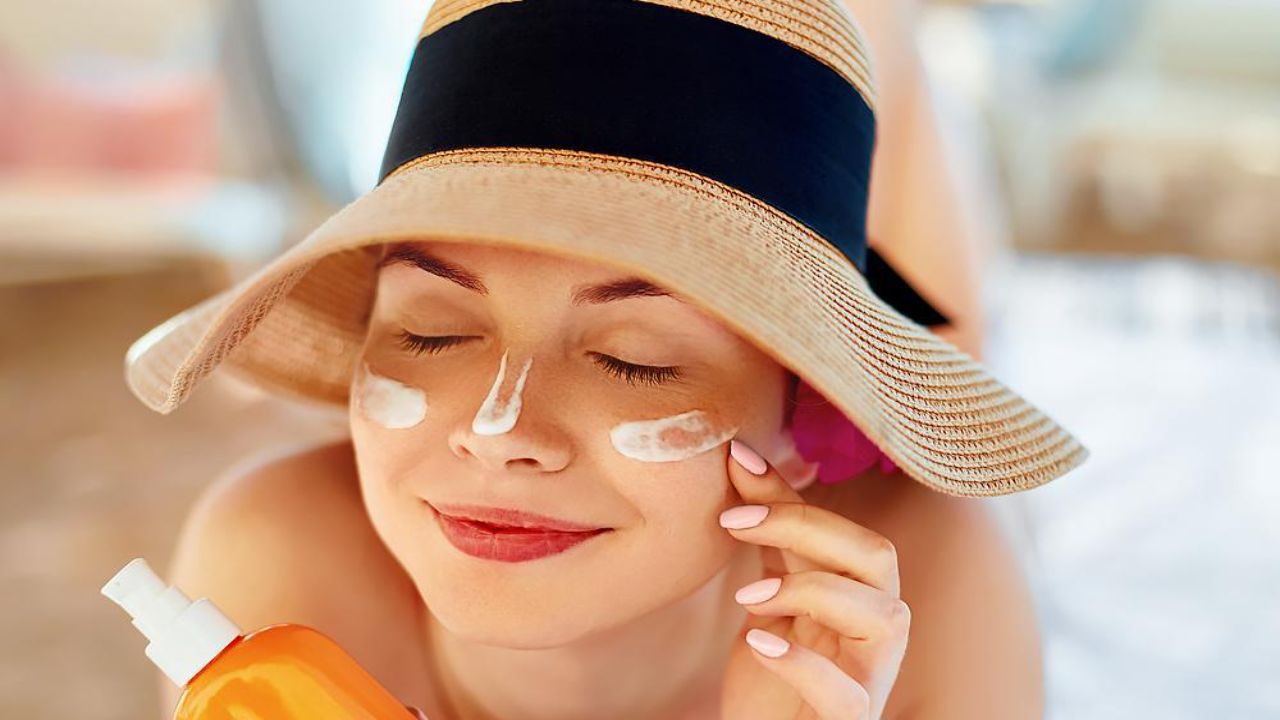
In addition to sunscreen, wearing protective clothing can help minimize your risk of sunburn and hyperpigmentation. Opt for lightweight, long-sleeved shirts, pants, and wide-brimmed hats. Some clothing items are now specifically designed with built-in UV protection for added peace of mind.
Sunglasses are also essential. They not only protect your eyes from the harsh UV rays but also the delicate skin around your eyes, which is often the first place to show signs of aging and pigmentation changes.
Repairing Sun Damage
If you’ve already experienced some sun damage or hyperpigmentation, there are several topical treatments that can help fade dark spots and even skin tone. Look for products containing ingredients like:
Vitamin C: Known for its brightening and antioxidant properties, Vitamin C can help reduce the appearance of dark spots and improve skin texture.
Retinoids: These are powerful ingredients that promote skin cell turnover, helping to fade dark spots and reduce wrinkles.
Niacinamide: This anti-inflammatory agent can lighten pigmentation and help even skin tone.
Hydroquinone: Often recommended by dermatologists, hydroquinone is a bleaching agent that can lighten hyperpigmentation when used consistently over time.
Make sure to apply these treatments at night, as many of these ingredients can increase your skin’s sensitivity to sunlight.
Consider Professional Treatments for Severe Damage
For more severe cases of sun damage or stubborn hyperpigmentation, you might want to explore professional treatments. Options like chemical peels, microdermabrasion, or laser therapy can target deeper layers of the skin and help reduce the appearance of dark spots.
These treatments should always be done under the guidance of a licensed dermatologist, who can assess your skin’s condition and recommend the best approach to restore a youthful complexion.
To Recap
Preventing and repairing sun damage and hyperpigmentation is an ongoing process, especially for those who love spending time at the beach. By consistently using sunscreen, wearing protective clothing, and following a targeted skincare regimen, you can help protect your skin from future damage while addressing existing concerns. If you do experience persistent pigmentation issues, consult a dermatologist to explore professional options. With the right care, you can continue to enjoy your beach vacations while keeping your skin healthy and glowing.